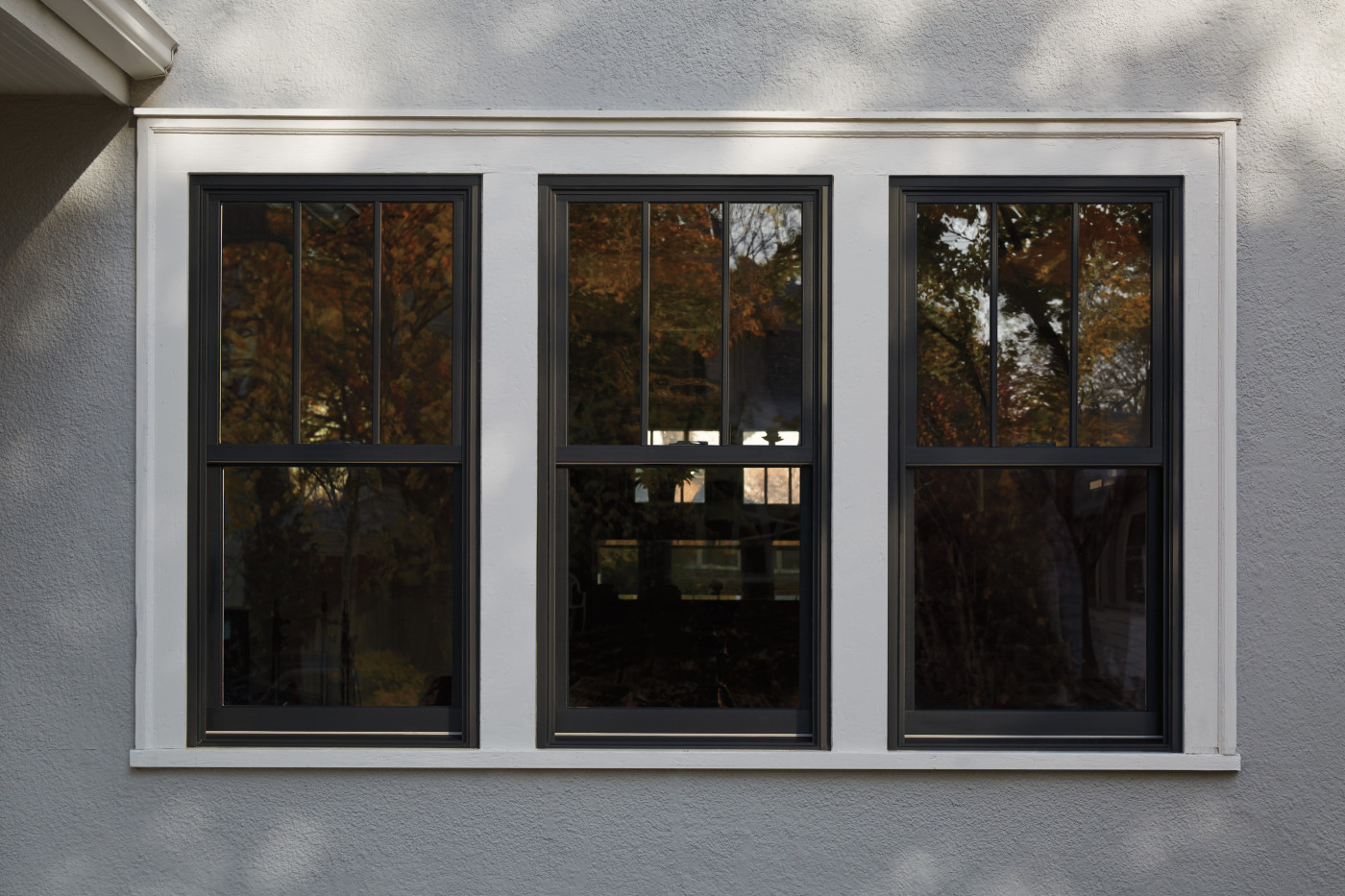
When it comes to window replacement near me in Lake in the Hills, the choice of material is paramount, as it significantly impacts both the functionality and the aesthetic appeal of your home. The three most common materials in today’s market are vinyl, wood, and aluminum. Each offers unique benefits and challenges. Let’s break down these options to help you make a well-informed decision.
Vinyl Windows
Advantages:
- Cost-Effectiveness: Vinyl windows are generally the most budget-friendly option, appealing to those looking to maximize value.
- Ease of Care: These windows require very little maintenance, as they do not need to be painted or stained.
- Insulating Ability: Vinyl windows provide excellent insulation, helping to keep energy costs down by minimizing heat loss.
- Longevity: Resistant to moisture and decay, vinyl windows are durable and long-lasting.
Disadvantages:
- Limited Design Options: The color and style selections for vinyl are often more restricted compared to other materials.
- Less Traditional Look: Vinyl may not provide the desired aesthetics for older or more traditionally styled homes.
- Environmental Impact: Vinyl is not biodegradable, and its production can be environmentally intensive.
Ideal for: Those who need an affordable, durable, and low-maintenance window replacement solution.
Wood Windows
Advantages:
- Aesthetic Appeal: Wood windows offer a timeless look that can enhance the natural beauty of any home.
- Customization: They can be painted or stained in a wide range of colors, offering versatile design options.
- Natural Insulator: Wood frames provide excellent thermal insulation, contributing to a more comfortable home environment.
- Eco-Friendly: As a natural material, wood is a more sustainable choice and often preferred for green building projects.
Disadvantages:
- Maintenance Needs: Wood requires more upkeep than vinyl or aluminum, including regular staining or painting.
- Higher Price Point: Wood windows tend to be more expensive both upfront and in long-term maintenance costs.
- Susceptibility to Weather: Wood can warp, rot, or become infested if not adequately maintained.
Ideal for: Homeowners who value aesthetics and natural materials, and are willing to invest in maintenance.
Aluminum Windows
Advantages:
- Durability: Aluminum is strong and durable, capable of supporting large panes of glass, perfect for modern designs.
- Minimal Upkeep: These frames are resistant to rust and decay and need little maintenance over their lifespan.
- Contemporary Style: Aluminum windows offer a clean, streamlined appearance that suits modern homes well.
- Weather Resistance: Aluminum performs well in various climates, especially in severe weather conditions.
Disadvantages:
- Thermal Performance: Aluminum conducts heat, potentially leading to higher energy costs unless equipped with a thermal break.
- Condensation Risk: These windows can experience condensation, which may lead to moisture-related issues in the home.
- Relative Expense: Typically, aluminum windows are less expensive than wood but more costly than vinyl.
Ideal for: Those looking for a strong, stylish, and low-maintenance window replacement option that can handle diverse weather conditions.
Making Your Selection
Choosing the right material for your window replacement project involves balancing cost, aesthetics, maintenance, and performance. Vinyl is an excellent choice for those on a budget and prefer minimal upkeep. Wood is best for those who desire a classic look and are okay with some maintenance. Aluminum is suited for modern aesthetics and those who need a durable solution with little maintenance. Consider what’s most important for your home’s needs and style to guide your decision.