When it comes to maintaining the integrity of your home, protecting it from water damage is one of the most important tasks you can undertake. While many homeowners focus on sealing windows and ensuring their roof is in good shape, there’s one often-overlooked area that can be a major contributor to water damage: your masonry.
Tuckpointing in Chicago is a vital service for maintaining the structural integrity of brickwork, mortar joints, and stone structures. This specialized repair technique not only improves the aesthetic appearance of your home but also plays a crucial role in preventing water damage. Here’s how tuckpointing can help protect your home from the destructive effects of water:
1. Sealing Gaps in Mortar Joints
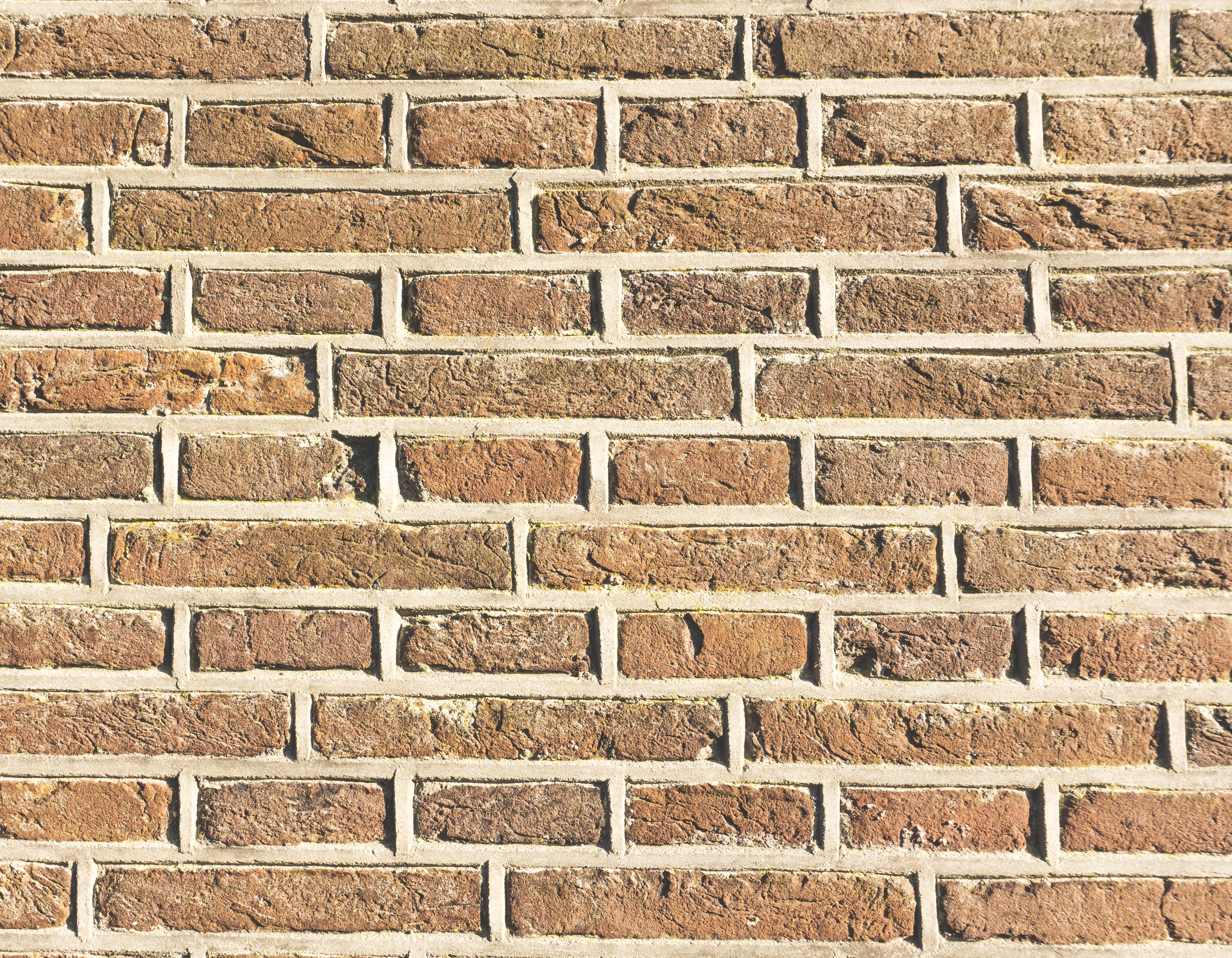
Over time, the mortar joints between bricks and stones begin to wear down due to weathering, temperature fluctuations, and natural wear and tear. When mortar deteriorates, it creates small gaps or cracks in the masonry that allow water to seep in. These gaps can let moisture into your home, leading to issues like damp walls, mold growth, and even foundation problems.
Tuckpointing involves carefully removing the old, damaged mortar and replacing it with fresh mortar, ensuring that all gaps are sealed. This prevents water from entering the structure, safeguarding your home from potential water damage.
2. Protecting Against Freeze-Thaw Damage
In areas with freezing temperatures, water can get into cracks and gaps in your masonry during the winter. As the temperature drops, the water in these cracks freezes, causing it to expand. This freezing and thawing cycle can exacerbate existing cracks and create new ones, leading to significant damage to your brickwork and mortar.
Tuckpointing helps to prevent this issue by filling and sealing cracks, keeping water from entering the structure in the first place. With a fresh coat of properly applied mortar, your home’s masonry can withstand the freeze-thaw cycle, reducing the risk of cracks that could lead to water infiltration.
3. Preventing Mold and Mildew Growth
Moisture that infiltrates your home through damaged mortar joints can lead to mold and mildew growth, especially in areas like basements or damp crawl spaces. Mold not only damages the structure of your home but also poses a serious health risk to you and your family.
By ensuring that your mortar joints are sealed properly through tuckpointing, you can significantly reduce the risk of moisture penetration. This, in turn, helps to prevent the growth of mold and mildew, keeping your home healthier and safer.
4. Maintaining the Structural Integrity of Your Home
Water damage is one of the most significant threats to your home’s structural integrity. When water penetrates the masonry and reaches the underlying walls or foundation, it can weaken the overall structure. In the long run, this can lead to expensive repairs and, in the worst-case scenario, structural failure.
Tuckpointing restores the strength of your brick and stonework, ensuring that moisture stays out and your home’s structure remains intact. By investing in tuckpointing services, you’re preventing costly and extensive water damage down the road.
5. Enhancing the Overall Durability of Your Home
Tuckpointing not only prevents water from damaging your home but also enhances the overall durability of your brickwork. Properly sealed mortar joints ensure that your masonry is better equipped to withstand the elements, including rain, snow, and high winds. This results in a longer lifespan for your home’s exterior and a more resilient structure.
Water damage is one of the most insidious threats to your home, and repairing damaged masonry is one of the most effective ways to prevent it. By investing in tuckpointing, you’re ensuring that your brick and mortar are sealed against the elements, reducing the risk of water infiltration and protecting your home from mold, mildew, and long-term structural damage.