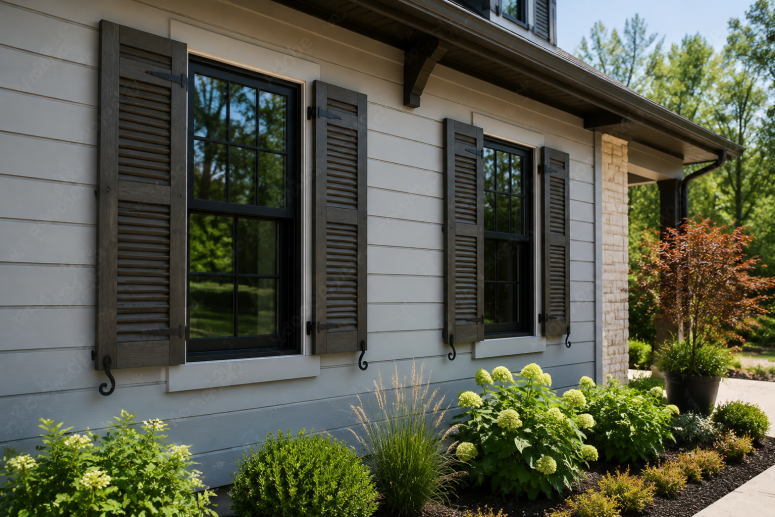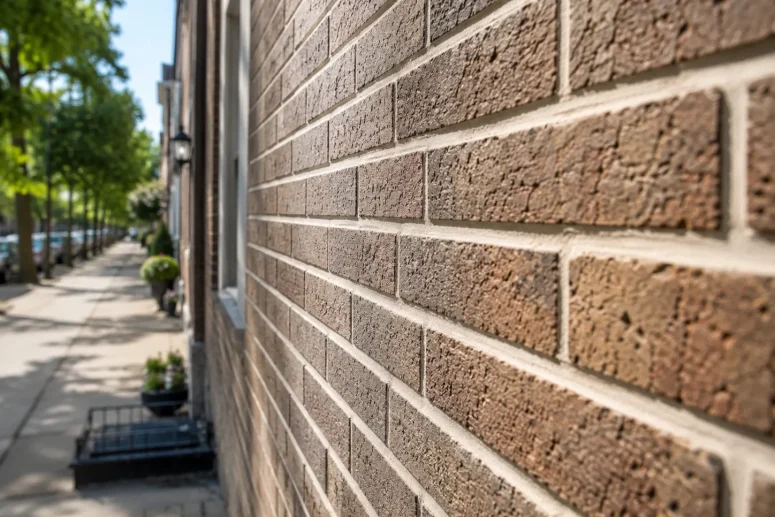
Summer sunshine may look beautiful, but prolonged exposure to high temperatures can have a significant impact on your home’s exterior. Day after day of intense sunlight, UV rays, and heat causes every siding material to expand, contract, and age differently. While quality siding is designed to withstand changing weather conditions, understanding how your particular material reacts during the hottest months of the year can help you prevent unnecessary damage and extend its lifespan. Many homeowners schedule a seasonal inspection with experienced siding contractors near me in Bridgeview to ensure their exterior is prepared for another long summer.
Vinyl siding is one of the most common materials found on homes because it offers excellent value and requires relatively little maintenance. It is engineered to tolerate changing temperatures, but heat still affects it. On extremely hot days, vinyl expands naturally. If the siding was installed correctly, this movement is almost invisible because installers leave room for expansion. However, siding that was nailed too tightly or installed incorrectly may begin to ripple or buckle during the hottest weeks of summer. This is why proper installation is just as important as selecting a quality product. Reliable siding contractors understand manufacturer guidelines and install every panel to allow for seasonal movement.
Another concern with vinyl siding is fading. Years of direct UV exposure gradually reduce the vibrancy of colors, especially on darker homes. Modern products are manufactured with improved UV-resistant technology, but every material eventually experiences some fading after years in direct sunlight. Choosing premium siding products often provides better long-term color retention and manufacturer warranties.
Fiber cement siding responds differently to heat. Because it contains cement, sand, and cellulose fibers, it remains extremely stable even during extended periods of high temperatures. It does not soften like vinyl and is highly resistant to warping or melting. This makes fiber cement an attractive option for homeowners who live in areas with long, hot summers. While the material itself performs exceptionally well, painted surfaces still require maintenance. Repainting every several years helps protect the finish while maintaining curb appeal.
Natural wood siding has unique characteristics that make regular maintenance especially important during the summer. Heat and dry weather remove moisture from wood, causing it to shrink slightly. Over time, repeated cycles of shrinking and expanding can produce small cracks or gaps that allow moisture to enter once rainy weather returns. Wood also requires regular staining or painting to shield it from harmful UV rays. Without proper protection, sunlight can dry out the surface, causing discoloration and premature aging.
Engineered wood offers many of the same visual advantages as traditional wood while improving resistance to moisture and weather. It generally handles temperature fluctuations better than natural wood, but homeowners should still inspect painted surfaces for chips or peeling. Addressing minor issues quickly helps preserve the protective coating and extends the product’s lifespan.
Metal siding performs well in hot weather because it does not warp or soften under high temperatures. However, metal absorbs heat rapidly, which can increase wall temperatures if insulation is insufficient. Fortunately, modern insulated wall systems significantly reduce heat transfer, allowing homeowners to enjoy the durability of metal siding without sacrificing indoor comfort.
The color of your siding can influence how much heat your home absorbs. Dark colors naturally attract more solar energy than lighter shades. Although modern siding is designed to withstand higher temperatures, darker exteriors often experience greater expansion throughout the day. Homeowners selecting new siding should consider both aesthetics and climate when choosing colors.
Summer heat also affects components surrounding the siding. Caulking around windows and doors gradually dries out under constant UV exposure. Cracked seals create opportunities for water intrusion during summer thunderstorms. Inspecting and replacing worn caulk every few years is one of the simplest ways to improve both weather protection and energy efficiency.
Gutters deserve equal attention during summer maintenance. High temperatures combined with sudden storms place significant stress on gutter systems. Loose fasteners, sagging sections, or clogged downspouts can cause rainwater to overflow and damage siding. Cleaning gutters regularly helps prevent unnecessary moisture problems and protects your home’s foundation.
Routine inspections remain the best defense against heat-related damage. Walk around your property several times throughout the summer and look for loose panels, fading, cracks, mold growth, or areas where siding appears uneven. Small maintenance projects completed early often prevent far more expensive repairs in the future.
Your home’s exterior works hard every day to protect everything inside. Understanding how different siding materials react to summer temperatures allows homeowners to stay ahead of potential issues before they become costly repairs. Whether your home has vinyl, fiber cement, engineered wood, or natural wood siding, regular maintenance and periodic inspections by experienced siding contractors help maximize durability, preserve curb appeal, and ensure your home remains protected through every season.