The shower is the hardest-working surface in any bathroom. It is wet every day, cleaned often, and expected to look good for years. That makes tile selection one of the most important decisions in a bathroom remodel. The right choice balances looks, safety, and maintenance, while the wrong one can mean slippery floors, stained grout, or tiles that crack sooner than they should.
Here is how to think through the options before you commit.
Walls and Floors Have Different Jobs
Shower walls mostly need to shed water and resist staining. Shower floors need to do all of that while also providing grip underfoot and handling the weight and movement of someone standing on them. Because of that, a tile that works beautifully on a wall may not be a good choice for the floor.
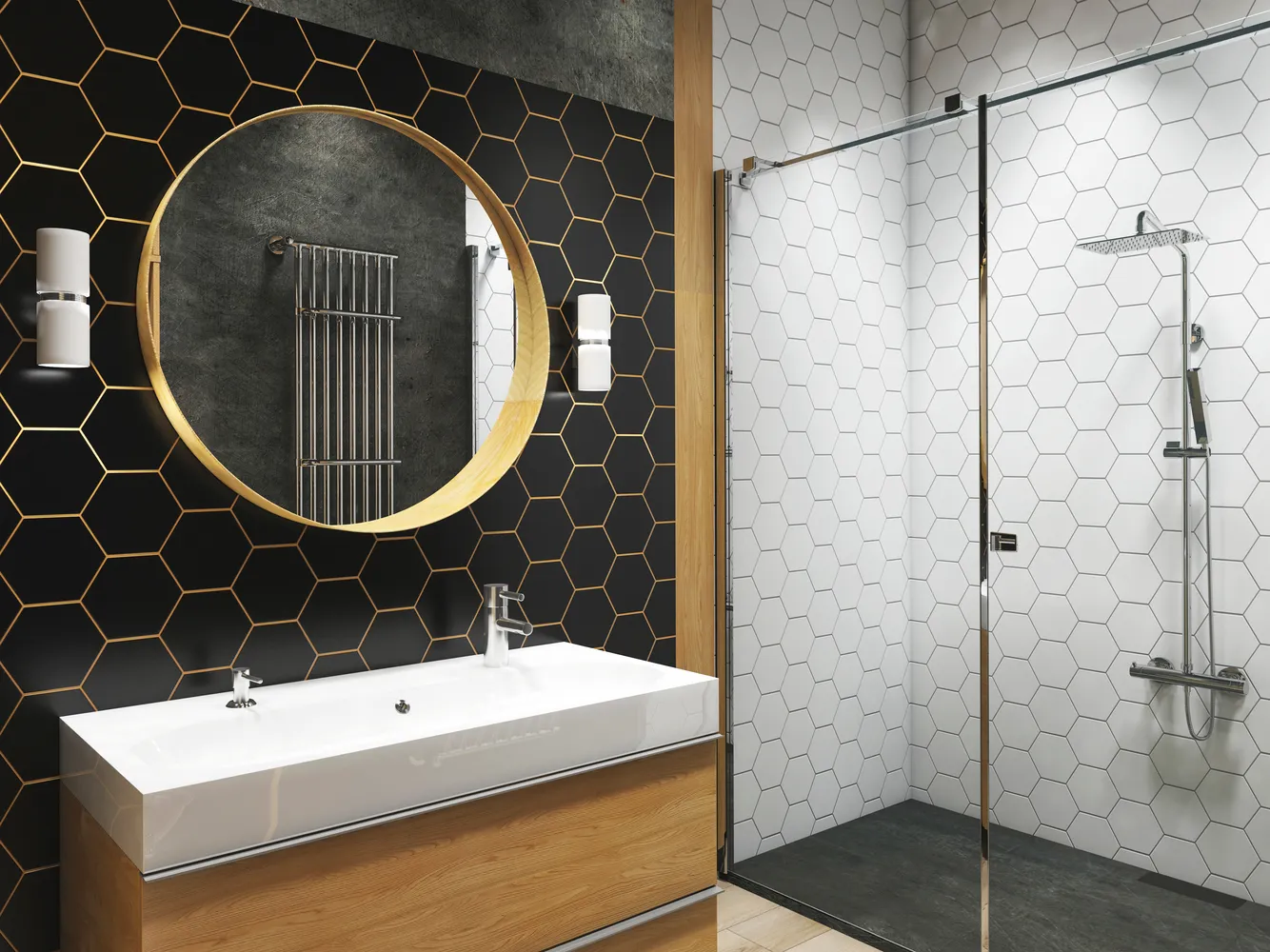
Many homeowners pair a larger, smoother tile on the walls with a smaller, textured tile on the floor. The contrast can look intentional and stylish, while giving each surface the properties it actually needs.
Porcelain: The Reliable All-Rounder
Porcelain is dense, hard, and absorbs very little water, which makes it one of the most popular choices for showers. It resists staining, holds up well to daily cleaning, and comes in a huge range of looks, including convincing stone and wood designs. Porcelain is harder to cut than ceramic, so installation takes more care, but the result is a durable surface that performs well in wet areas.
Ceramic: A Great Choice for Walls
Ceramic tile is lighter and easier to cut than porcelain, and it works very well on shower walls. Glazed ceramic resists water on its surface and is easy to wipe clean. It is generally less suited to shower floors, where porcelain or a textured option usually performs better over time.
Natural Stone: Beautiful, With Extra Care
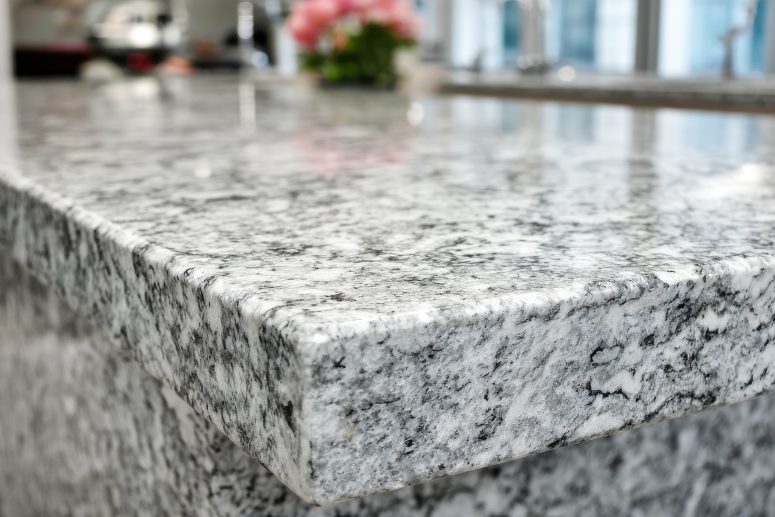
Marble, travertine, slate, and limestone bring a look no manufactured product fully matches. Every piece is unique, and stone can make a shower feel truly high-end. The trade-off is maintenance. Most natural stone is porous and needs sealing, and some types, especially marble, can be etched by acidic cleaners. If you love stone, choose it with your eyes open and plan to care for it properly.
Glass and Mosaic Accents
Glass tile does not absorb water and reflects light beautifully, which makes it popular for accent strips, niches, and feature walls. Mosaic tiles, whether glass, stone, or porcelain, are also a smart choice for shower floors. The many grout lines add traction, and small tiles follow the slope toward the drain more easily than large ones.
If you’re comparing options for bathroom remodeling near me Wheaton, ask to see mosaic samples installed on a sloped floor, not just laid flat on a display board. It gives a much better sense of how the finished floor will look and feel.
Pay Attention to Slip Resistance
For shower floors, slip resistance matters more than almost anything else. Look for tiles rated for wet areas, and favor matte or textured finishes over polished ones. A glossy tile can look stunning in a showroom but become hazardous once it is wet and soapy. Smaller tiles with more grout lines naturally offer better grip than a single large, smooth tile.
Think About Grout Before You Choose Tile
Grout covers more of the surface than most people expect, especially with smaller tiles. Its color and type affect how the shower looks and how easy it is to keep clean. Standard cement grout is easy to work with but needs periodic sealing. Epoxy grout resists stains and moisture far better and does not require sealing, though it is more demanding to install.
Light grout brightens a space but can show discoloration over time. Mid-tone grays and warm neutrals are more forgiving. A grout close to the tile color creates a seamless look, while contrasting grout highlights the tile shape and layout.
Size and Layout Change the Feel
Large-format wall tiles create a clean, modern look with fewer grout lines to clean. They do require very flat walls, so preparation is critical. Classic subway tile remains popular for its timeless look and versatility. Vertical layouts can make a shower feel taller, while horizontal layouts can make a narrow shower feel wider.
Installation Matters as Much as the Tile
Even the best tile will fail if it is installed poorly. A properly built shower includes a waterproof membrane behind the tile, a correct slope toward the drain, full mortar coverage under each tile, and appropriate movement joints at corners and changes of plane. These details are invisible once the job is done, but they determine whether the shower lasts for decades or develops leaks and loose tiles.
Homeowners researching bathroom remodeling near me St Charles should ask how a contractor waterproofs and slopes a shower, not only which tiles they offer. The answer says a lot about the quality of the finished work.
Making the Final Decision
Start with how you use your shower and how much maintenance you are comfortable with. Choose a floor tile for safety first and style second, pick a wall tile you will love looking at every day, and select grout with cleaning in mind. With the right materials and careful installation, your new shower can look great and perform reliably for many years.